AI Governance &
Trust Framework
A comprehensive 10-layer framework for building responsible, trustworthy, and compliant AI systems at enterprise scale.
Comprehensive Governance
10 Layers of AI Governance Excellence
Each layer addresses critical governance needs, from executive oversight to continuous improvement, ensuring your AI systems are built on a foundation of trust, compliance, and accountability.
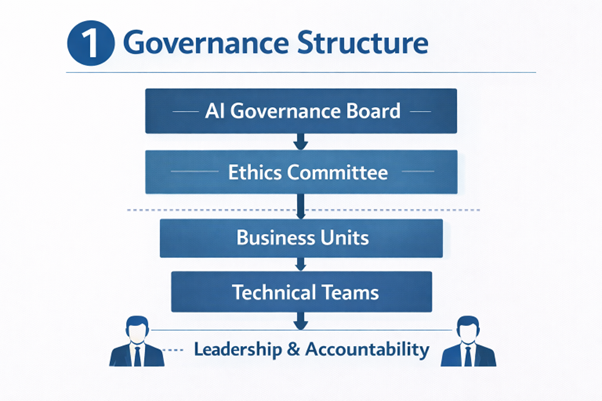
Strategic Oversight Layer: The Governance Structure
Purpose:
Establishes ultimate authority, direction, and accountability for AI across the organization.
Key Components:
- •AI Governance Board: Executive-level committee (CEO, CTO/CAIO, Legal, Risk, Compliance, Ethics heads)
- •AI Ethics Committee: Cross-functional body addressing fairness, bias, and societal impact
- •Risk Owner Designation: Clear executive accountability for AI risks
- •RACI Matrix: Defines who is Responsible, Accountable, Consulted, and Informed for all AI activities
Executive Deliverables:
- ✅ AI Governance Charter: Authority, structure, and escalation procedures
- ✅ Roles and Responsibilities: Clear ownership across the organization
- ✅ Meeting Cadence: Regular governance reviews and decision forums
- ✅ Escalation Protocols: When and how issues reach executive leadership
Board Question Answered:
"Who is in charge of AI in our organization and what is their mandate?"
Foundation Layer: Core Principles
Purpose:
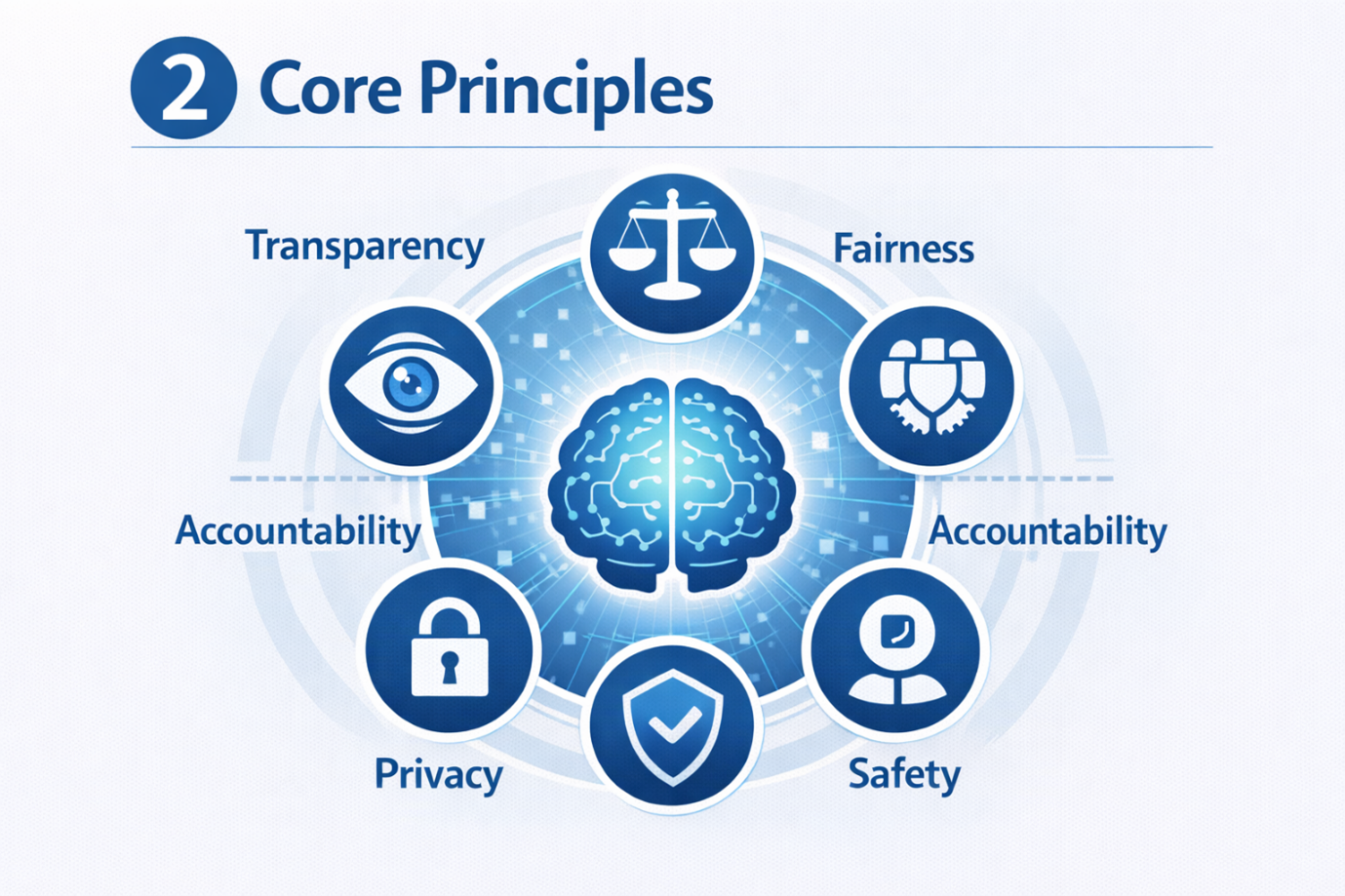
Defines the ethical foundation and non-negotiable values that guide all AI decisions and activities.
Key Components:
- •Principle Framework: Transparency, fairness, accountability, privacy, safety, human oversight
- •Ethical Boundaries: What the organization will and will not do with AI
- •Stakeholder Commitments: Promises made to customers, employees, and society
- •Principle-to-Practice Translation: How principles translate into operational requirements
Executive Deliverables:
- ✅ AI Ethics Policy: Published principles and values
- ✅ Red Lines Document: Prohibited AI uses and applications
- ✅ Stakeholder Commitments: Public-facing promises and guarantees
- ✅ Decision Framework: How to resolve ethical dilemmas
Board Question Answered:
"What are our values and boundaries for AI use?"
Protection Layer: Risk Management Framework
Purpose:
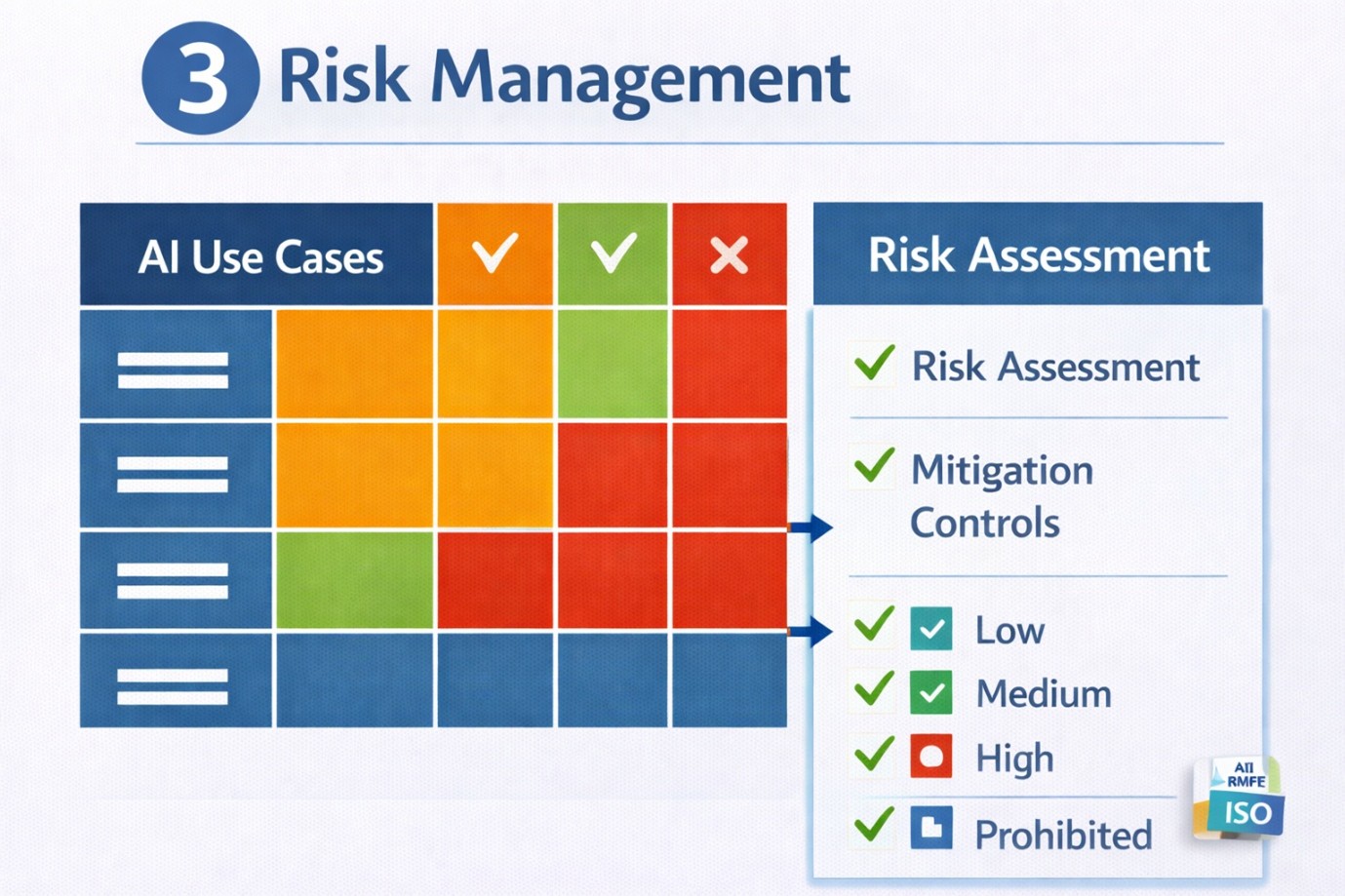
Systematically identifies, assesses, and mitigates AI-related risks to protect the organization and stakeholders.
Key Components:
- •AI System Inventory: Complete catalog with risk classifications (minimal, limited, high, unacceptable)
- •Risk Assessment Methodology: Standardized approach to evaluate potential harms
- •Control Framework: Preventive, detective, and corrective controls based on risk tier
- •Risk Monitoring: Ongoing surveillance for emerging risks and control effectiveness
Executive Deliverables:
- ✅ AI Risk Register: Living document of all AI systems and their risk profiles
- ✅ Risk Appetite Statement: How much risk the organization will accept
- ✅ Control Requirements: Mandatory safeguards by risk category
- ✅ Risk Dashboard: Real-time view of AI risk exposure
Board Question Answered:
"What are our AI risks and how are we managing them?"
Quality Assurance Layer: Lifecycle Governance
Purpose:
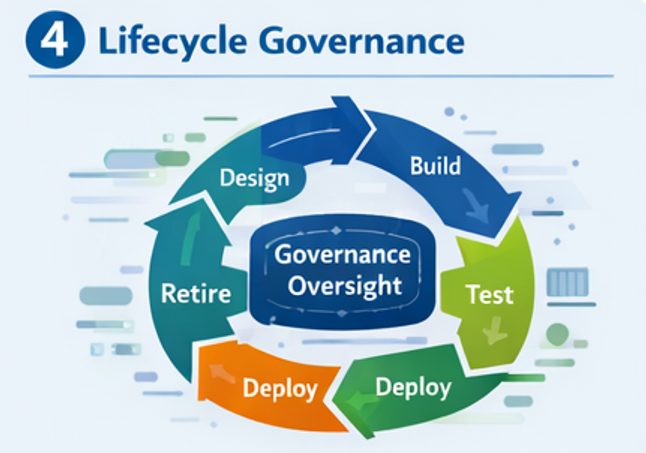
Ensures appropriate controls, reviews, and quality gates are applied throughout the AI system lifecycle.
Key Components:
- •Stage Gates: Mandatory reviews at design, development, pre-deployment, and operation phases
- •Approval Authority: Defined who can approve progression to next stage based on risk level
- •Documentation Standards: Required artifacts at each lifecycle stage
- •Change Management: Controls for modifications to deployed systems
Executive Deliverables:
- ✅ Lifecycle Policy: Stage-gate requirements and approval authorities
- ✅ Quality Standards: Technical and ethical criteria for progression
- ✅ Testing Protocols: Required validation before deployment
- ✅ Decommissioning Process: How to retire AI systems safely
Board Question Answered:
"How do we ensure AI quality from concept to retirement?"
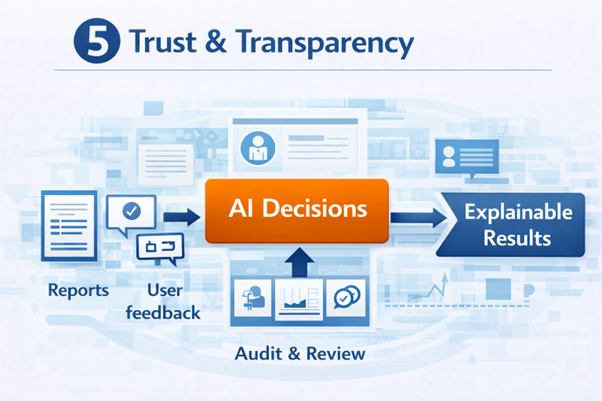
Confidence Layer: Trust and Transparency
Purpose:
Builds and maintains stakeholder confidence through openness, engagement, and external validation.
Key Components:
- •Transparency Standards: What information must be disclosed about AI systems
- •Stakeholder Engagement: Mechanisms for user input, feedback, and concerns
- •External Validation: Third-party audits, certifications, and independent review
- •Explainability Requirements: How AI decisions are communicated to affected parties
Executive Deliverables:
- ✅ Transparency Policy: What, when, and how we disclose AI use
- ✅ Stakeholder Engagement Plan: Regular touchpoints with affected communities
- ✅ Audit Schedule: Planned independent assessments
- ✅ Transparency Report: Annual public disclosure of AI practices
Board Question Answered:
"How do we build trust with customers and the public?"
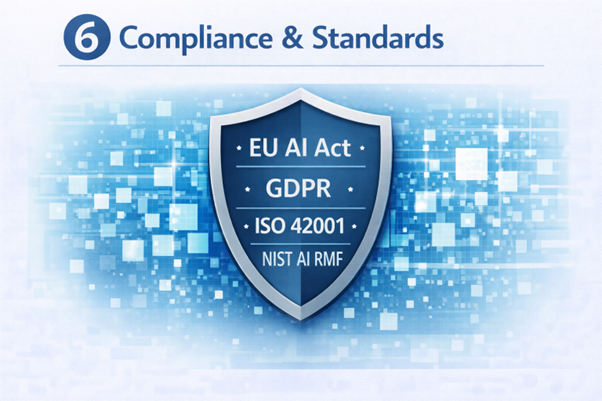
Compliance Layer: Legal and Standards Alignment
Purpose:
Ensures AI activities comply with all applicable laws, regulations, and industry standards.
Key Components:
- •Regulatory Mapping: Identification of all applicable AI regulations by jurisdiction
- •Standards Adoption: Alignment with ISO 42001, NIST AI RMF, and industry frameworks
- •Compliance Monitoring: Ongoing assessment of regulatory adherence
- •Change Management: Process to adapt to new regulations and standards
Executive Deliverables:
- ✅ Compliance Matrix: All applicable regulations and compliance status
- ✅ Gap Assessment: Areas of non-compliance and remediation plans
- ✅ Standards Roadmap: Path to certification (ISO, SOC 2, etc.)
- ✅ Regulatory Watch: Process to track and respond to new requirements
Board Question Answered:
"Are we compliant with AI regulations and standards?"
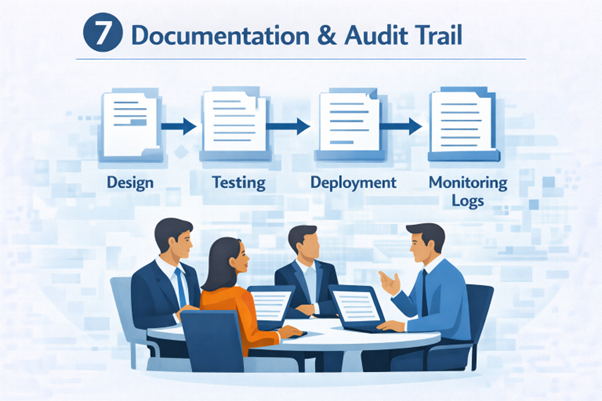
Evidence Layer: Documentation and Audit Trail
Purpose:
Creates comprehensive records to demonstrate accountability, enable audits, and support continuous improvement.
Key Components:
- •Documentation Standards: Required artifacts for each AI system
- •Version Control: Tracking of model changes, data updates, and system modifications
- •Audit Trails: Immutable logs of decisions, approvals, and system actions
- •Retention Policies: How long records are maintained and when they're archived
Executive Deliverables:
- ✅ Documentation Standards: Templates and requirements for all AI systems
- ✅ Data Lineage Tracking: Full traceability of training data and model provenance
- ✅ Decision Logs: Records of all significant AI-related decisions
- ✅ Audit-Ready Repository: Centralized access to governance evidence
Board Question Answered:
"Can we prove we've governed AI responsibly?"
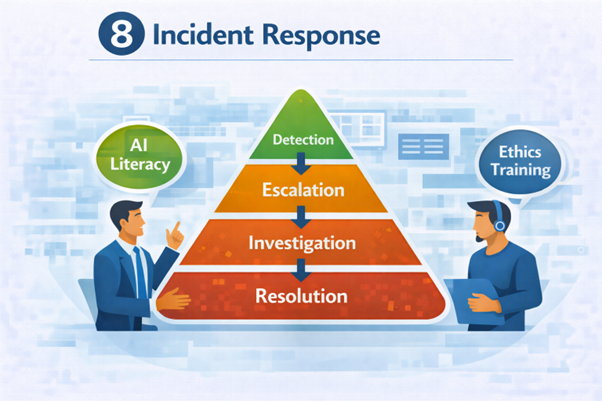
Response Layer: Incident Management
Purpose:
Enables rapid detection, containment, and resolution of AI-related incidents while learning from failures.
Key Components:
- •Incident Classification: Severity tiers and definitions of what constitutes an incident
- •Response Protocols: Playbooks for different incident types (bias, security, safety)
- •Crisis Communication: Internal and external notification procedures
- •Post-Incident Review: Root cause analysis and control improvement process
Executive Deliverables:
- ✅ Incident Response Plan: Clear protocols for AI failures and harms
- ✅ Crisis Communication Templates: Pre-approved messaging for different scenarios
- ✅ Escalation Matrix: When incidents reach executive leadership and board
- ✅ Lessons Learned Process: How incidents drive improvements
Board Question Answered:
"What happens when something goes wrong with AI?"
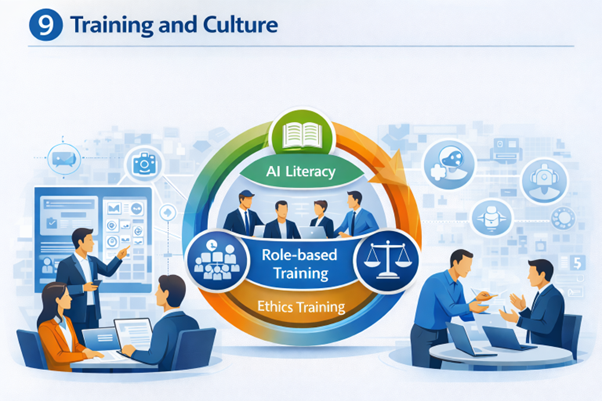
Capability Layer: Training and Culture
Purpose:
Develops organizational competence and embeds responsible AI practices into company culture.
Key Components:
- •Training Curriculum: Role-based learning (executives, practitioners, general staff)
- •Awareness Programs: Ongoing communication about AI risks and responsibilities
- •Communities of Practice: Forums for sharing knowledge and challenges
- •Culture Indicators: Metrics showing adoption of responsible AI behaviors
Executive Deliverables:
- ✅ Training Strategy: Required learning by role and frequency
- ✅ Competency Standards: Skills required for AI-related roles
- ✅ Awareness Campaign: Regular internal communications and events
- ✅ Culture Metrics: Surveys and indicators of responsible AI mindset
Board Question Answered:
"Do our people know how to use AI responsibly?"
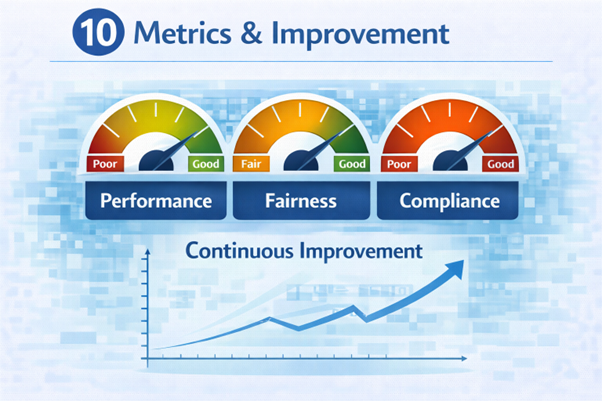
Performance Layer: Metrics and Continuous Improvement
Purpose:
Measures governance effectiveness and drives ongoing enhancement of AI practices through data-driven insights.
Key Components:
- •KPI Framework: Metrics across performance, fairness, safety, compliance, and trust
- •Reporting Cadence: Regular updates to governance bodies at appropriate levels
- •Benchmarking: Comparison to industry peers and best practices
- •Improvement Process: How metrics trigger reviews and enhancements
Executive Deliverables:
- ✅ AI Governance Dashboard: Real-time metrics on key indicators
- ✅ Reporting Schedule: Monthly operational, quarterly strategic, annual comprehensive
- ✅ Maturity Assessment: Annual evaluation against governance frameworks
- ✅ Improvement Roadmap: Action plan based on metrics and gaps
Board Question Answered:
"How effective is our AI governance and how are we improving?"
Ready to Build Trustworthy AI?
Let us help you implement this comprehensive governance framework to ensure your AI systems are responsible, compliant, and trusted by all stakeholders.
Get Started with AI Governance